
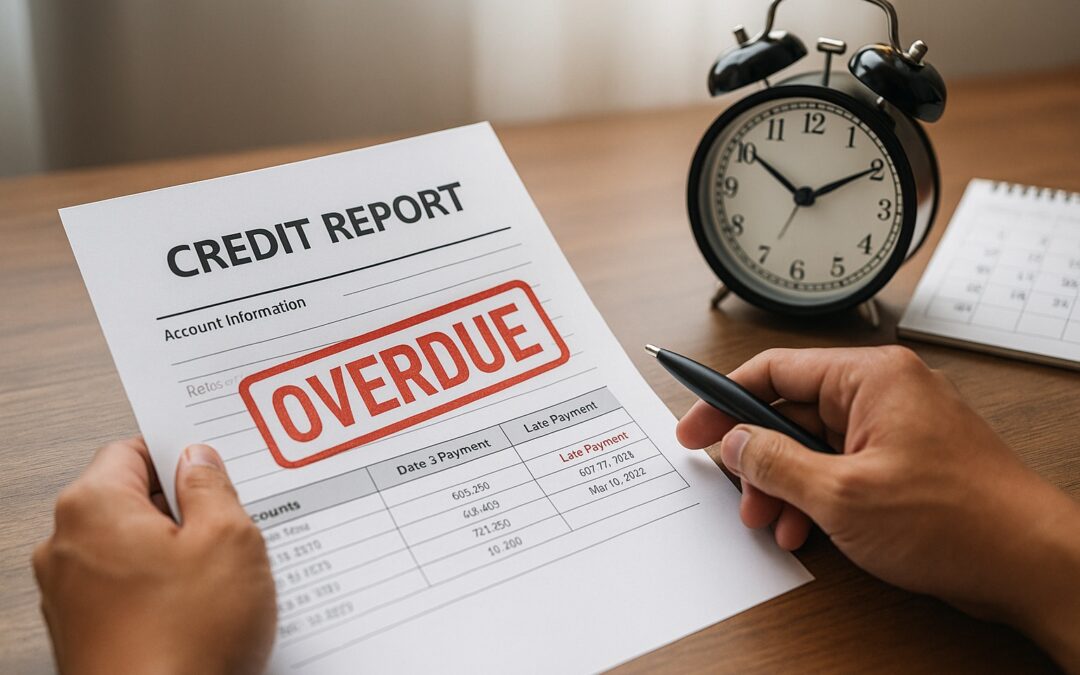
In Singapore, late payment and defaults can severely impact both your personal and business financing prospects. Many SME owners are surprised to find that their personal credit history—including any record of late payment and defaults—is taken into account when applying for business loans.
If you’re wondering how long negative credit events like missed payments or defaults stay on your record, this article breaks it down clearly.
What Is a Credit Bureau Report?
Singapore’s Credit Bureau (CBS) collects your credit data from all participating banks and financial institutions. This includes your personal credit cards, unsecured loans, and other credit facilities. Lenders use this report to assess your creditworthiness based on your repayment behaviour.
What Constitutes Bad Credit Behaviour?
Late Payments
Even a few days of late payment is considered a delinquency. Repeated or recent late payments suggest poor financial discipline and are a red flag to lenders.
Defaults
A default occurs when you fail to make payment for an extended period. Once an account is marked as defaulted, it becomes one of the most damaging items in your credit history.
Defaults that are written off by the bank without full and satisfactory closure remain on your credit report indefinitely. These are extremely difficult to overcome during future loan applications.
Bankruptcy or Debt Repayment Schemes
Being declared bankrupt or entering into a DRS is recorded and will remain on your report even after discharge, for a number of years.
Over-leveraging or Maxing Out Credit Lines
High usage of unsecured credit, even without missed payments, is considered risky behaviour.
Multiple Credit Applications
Submitting multiple credit applications in a short time frame may suggest financial distress and will lower your credit score.
How Long Do Late Payment and Defaults Stay on Record?
| Type of Record | How Long It Stays |
|---|---|
| Late Payments | 12 months |
| Defaults with Full Settlement | 3 years after settlement |
| Defaults without Full Settlement | Indefinitely |
| Bankruptcy | 5 years after discharge (or longer if undischarged) |
| Credit Applications | 2 years |
| Closed Credit Accounts | 3 years after closure |
How to Improve Your Credit Standing
- Always pay on time—set reminders or use automated payments
- Keep credit utilisation below 30%
- Limit new credit applications within short timeframes
- Settle outstanding late payment and defaults where possible and request closure letters
Final Thought
In Singapore, late payment and defaults have serious long-term consequences. Some records—especially unsatisfied defaults—can stay on your report permanently, limiting your access to personal and business credit.
If you’re unsure how your credit report may affect financing, speak to CapitalGuru’s team of ex-bankers. We’ll help you review your credit profile and recommend actionable steps to improve your financing eligibility.